
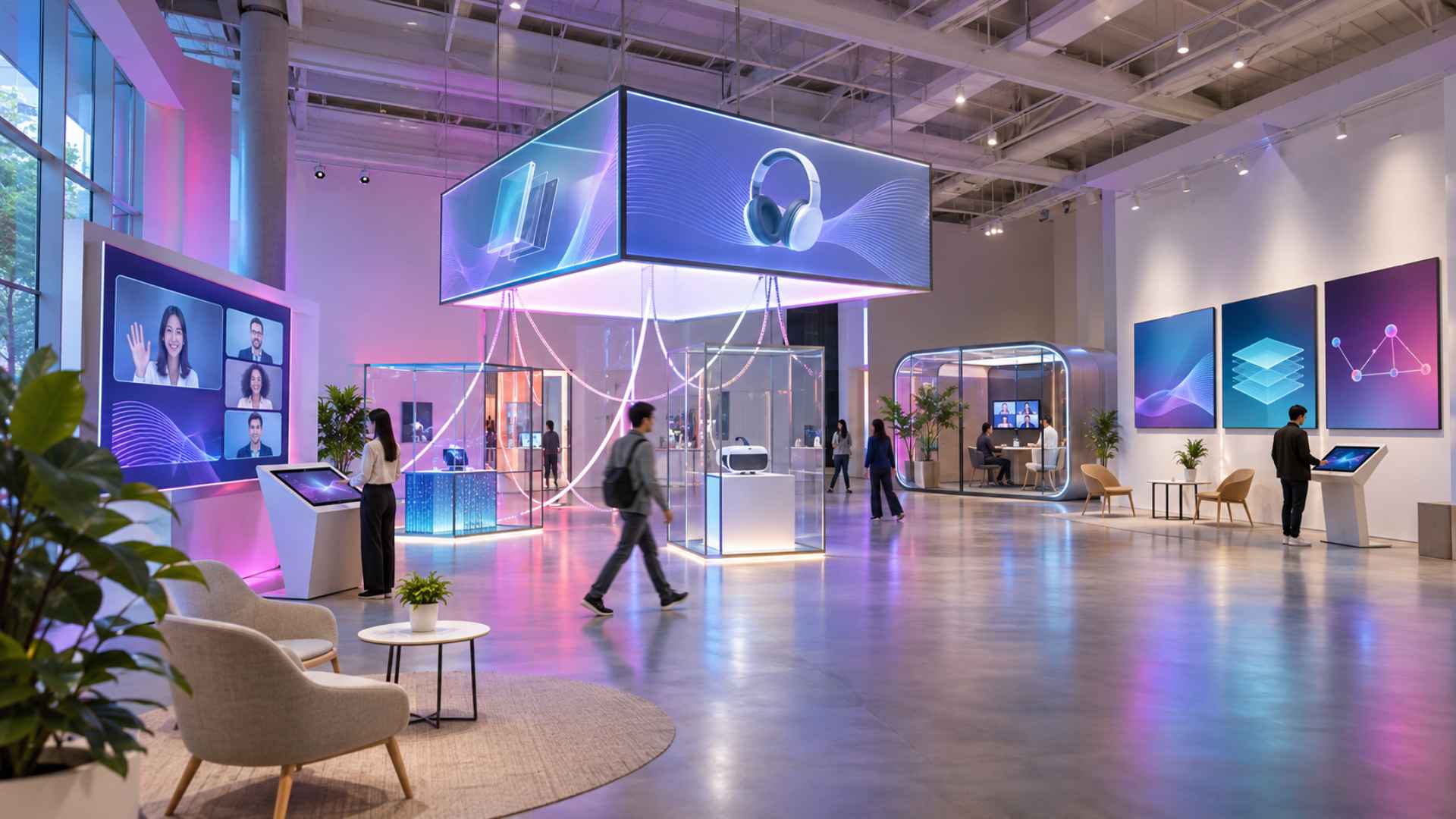
Virtual conferences have changed the way businesses, organizations, and professionals connect with audiences. Instead of gathering in one physical location, participants can now attend events through online platforms from different parts of the world. Within these digital spaces, exhibition halls play an important role by providing an area where companies can present their products, share information, and interact with visitors. Digital exhibition halls in virtual conference environments bring many traditional exhibition activities into an online setting while making them more accessible to a wider audience.
As online events continue to develop, digital exhibition halls are becoming a common feature of virtual conferences, trade shows, and professional gatherings. They give exhibitors an opportunity to introduce their brands without depending on physical booths or printed materials. At the same time, visitors can explore different exhibitors at their own pace, access useful resources, and communicate with representatives through various online features.
Understanding the Role of Digital Exhibition Halls in Virtual Events
A digital exhibition hall is an online space designed to display exhibitors, products, services, and company information during a virtual event. It is usually integrated into a virtual conference platform, allowing attendees to move between conference sessions and exhibition areas without leaving the event environment. Depending on the platform, each exhibitor may have a dedicated virtual booth containing company profiles, product descriptions, promotional videos, downloadable documents, and contact information.
These exhibition spaces are designed to support communication between businesses and potential customers. Visitors can interact with company representatives through live chat, video calls, or scheduled meetings when those features are available. Some platforms also provide interactive product demonstrations and question and answer sessions. These functions help recreate important parts of face to face exhibitions in a digital format. Rather than simply viewing static information, attendees can actively engage with exhibitors and learn more about their offerings.
Key Features That Make Virtual Exhibition Halls Interactive
One important feature of digital exhibition halls is their interactive booth design. Unlike traditional websites, virtual exhibition spaces can organize information into a dedicated event environment where visitors can explore different exhibitors. Booths may include images, videos, product catalogs, presentation materials, and direct communication tools. Some platforms also support live demonstrations, allowing exhibitors to explain how their products work and respond to questions from interested visitors. These features make the online exhibition experience more engaging and easier to navigate.
Another useful feature is the ability to collect and organize attendee engagement data. Depending on the platform and its privacy settings, exhibitors may receive information about booth visits, document downloads, meeting requests, and other interactions. Event organizers can also review attendance patterns to understand which exhibition areas attract the most attention. These insights can help businesses evaluate their participation and improve future presentations. However, data collection should always follow applicable privacy regulations and clearly communicate how attendee information is used.
Why Digital Exhibition Halls Matter for Modern Conference Experiences
Digital exhibition halls make it easier for people to participate in exhibitions regardless of their physical location. Attendees do not need to travel to another city or country to visit company booths, which can reduce transportation costs and scheduling difficulties. This accessibility is particularly useful for international conferences where participants come from different regions. People who cannot attend an event in person may still have opportunities to explore exhibitors, watch presentations, and communicate with business representatives through an online platform.
Another important aspect is the flexibility offered to both exhibitors and visitors. Physical exhibitions usually operate within specific venue schedules, while virtual environments can provide access to exhibition materials before, during, or after the main conference, depending on the organizer’s settings. Recorded demonstrations, downloadable resources, and company profiles can remain available for a defined period. This allows attendees to review information when it suits their schedules. Exhibitors also have more opportunities to share detailed content without relying entirely on printed brochures or limited booth space.
Digital exhibition halls can also support more organized event management. Organizers can manage exhibitor profiles, booth arrangements, attendee access, and communication features through a centralized platform. This makes it easier to coordinate multiple companies within one virtual environment. Nevertheless, a successful digital exhibition requires careful planning. Clear navigation, reliable internet access, accessible content, and responsive technical support are important factors that influence the visitor experience. Exhibitors should also prepare relevant materials and ensure that their representatives are available to answer questions. When these elements work together, the exhibition becomes more useful for everyone involved.